
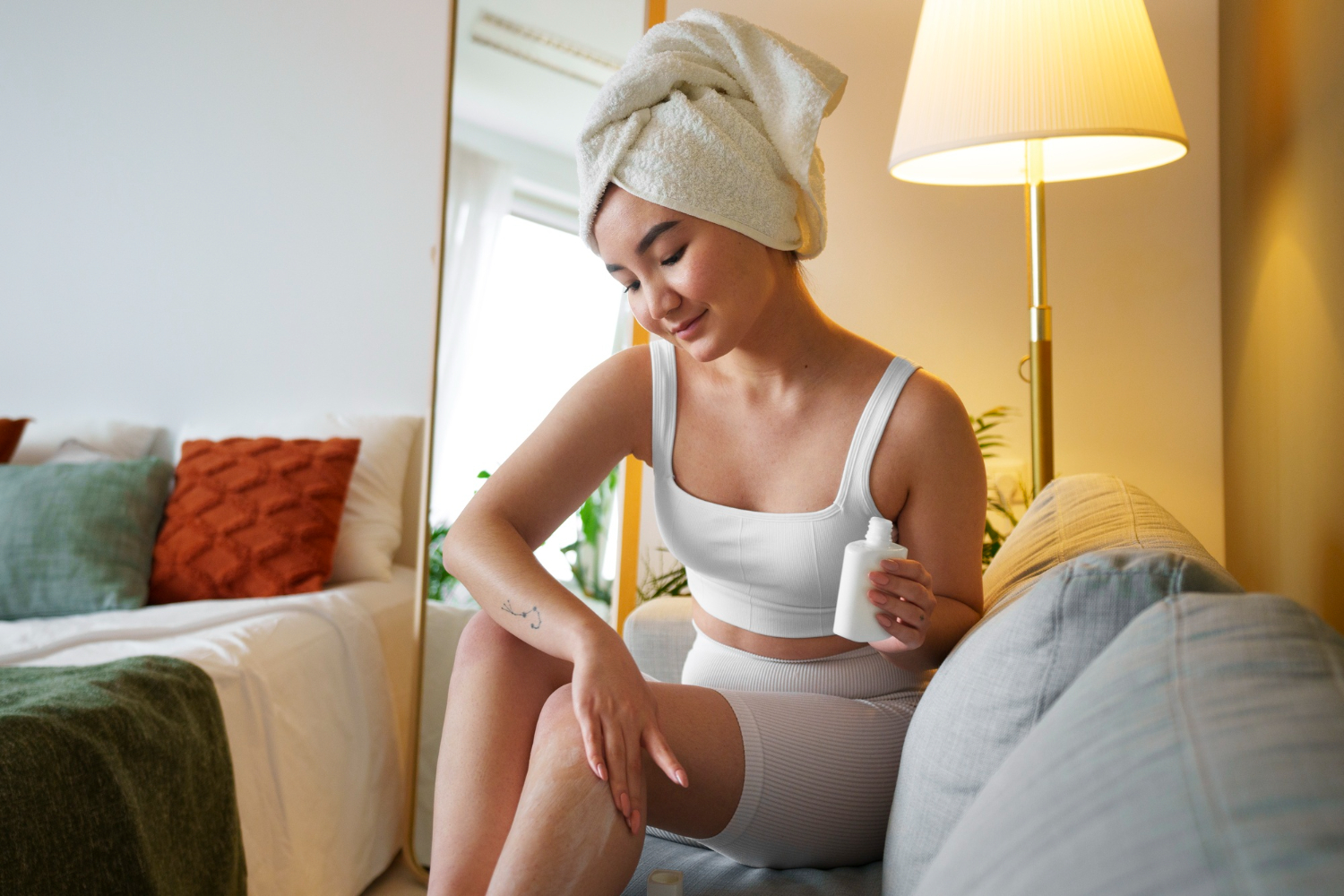
If you’ve been putting off your first waxing appointment because you’re worried about pain, you’re not alone. The number one question we hear at Wax & Lash Denver is: does waxing hurt? And if so, does waxing hurt in Denver salons the same as it does everywhere else?The honest answer is — it depends. But the good news is that with the right prep, the right wax, and an experienced esthetician, waxing is far more manageable than most people expect.
In this guide, we’ll walk you through exactly what waxing feels like, which areas tend to be more sensitive, how to reduce discomfort before and after your appointment, and why so many of our first-time clients are pleasantly surprised by the experience.
Does Waxing Hurt — And What Does It Actually Feel Like?
Let’s not sugarcoat it — waxing involves removing hair from the root, so there is a sensation involved. But “painful” is relative, and most clients describe it very differently from what they imagined beforehand.
Is the pain sharp or dull?
Waxing produces a brief, sharp snap when the strip is removed — similar to pulling off a bandage quickly. It’s not a slow, grinding discomfort. The sensation is quick and concentrated, lasting only a fraction of a second per pull. Most clients say the anticipation feels worse than the actual wax.
The level of sensation also depends heavily on your skin type, hair coarseness, the area being waxed, and the type of wax used. First-timers with coarser hair may feel more than someone who has been waxing regularly for years.
How long does the discomfort last?
The sharp sensation is momentary — typically under a second. After the wax, the area may feel warm, tender, or slightly sensitive for anywhere from 30 minutes to a few hours. This is completely normal and fades quickly. Redness usually subsides within an hour for most skin types.
By the next morning, most clients feel no residual discomfort at all.
Which Body Areas Does Waxing Hurt the Most?
Not all areas of the body are equally sensitive. Skin thickness, nerve density, and proximity to bone all play a role in how waxing feels in different locations.
Bikini and Brazilian area
This is the area most people ask about, and yes — the bikini and Brazilian area tends to be more sensitive than legs or arms. The skin here is thinner and more delicate, and the hair tends to grow in multiple directions. That said, hard wax (which we use at Wax & Lash Denver) significantly reduces discomfort in this area compared to strip wax, and regular clients often report that it becomes much more tolerable after their first few sessions.
Underarms
Underarms are surprisingly uncomfortable for many first-timers. The skin is thin and the hair tends to be thick. The good news: underarm waxing is quick — we’re usually done in under two minutes. Fast technique dramatically reduces the total discomfort.
Legs and arms
Legs and arms are among the least painful areas to wax. The skin is thicker here, and the hair typically has a more uniform growth direction. Most clients are genuinely surprised by how easy leg waxing feels, especially compared to shaving over and over. Arms tend to be even gentler.
Face and eyebrows
Facial skin is thinner and more sensitive, but the areas being waxed are small — so the process is quick. Eyebrow waxing, upper lip, and chin waxing are very manageable when done by a skilled esthetician using the right wax. The upper lip tends to cause a reflexive watery-eye response (it’s a nerve reaction, not necessarily pain), which catches some people off guard.
Does Brazilian Wax Hurt More Than Other Types?
Brazilian waxing — which removes all or nearly all hair from the bikini area — is the service clients are most nervous about. And while it is one of the more sensitive areas, the experience is often very different from what people expect.
Brazilian wax vs bikini wax pain comparison
A standard bikini wax cleans up the sides and top of the bikini line, leaving hair in the center. A Brazilian goes further, removing hair from the front, sides, and back. Because the Brazilian covers more sensitive skin, it generally produces more sensation — but it’s also done in small sections, and a skilled esthetician works efficiently to minimize cumulative discomfort.
Many clients who try a Brazilian for the first time say their anxiety was the hardest part. Once they’re on the table and the esthetician is working, they realize it’s quick and very manageable. The key is choosing a professional — technique matters enormously.
Wax & Lash Denver estheticians are trained specifically in Brazilian technique and apply a pre-wax oil before every service to protect skin and minimize discomfort. Many of our clients report their Brazilian is far less uncomfortable than they anticipated.
Soft Wax vs Hard Wax — What We Use at Wax & Lash Denver
The type of wax — and how it’s applied — makes a significant difference in how your skin feels during and after your appointment. There are two main types: soft wax (also called strip wax) and hard wax. At Wax & Lash Denver, we prefer soft wax, and here’s why.
Why soft wax is our preferred choice
Soft wax is applied in a thin, even layer and removed using a cloth or paper strip. When applied correctly by a trained esthetician, it grips the hair efficiently and removes it cleanly in fewer passes — which means less time on the skin and less cumulative irritation. The key is technique: a skilled application at the right temperature and the correct removal angle makes soft wax incredibly effective and comfortable for all body areas.
Hard wax is applied thickly and peeled off without a strip once it hardens. While it has its advocates, we find that high-quality soft wax — in the hands of an experienced professional — delivers superior results across every area we treat, including sensitive zones like the bikini line, underarms, and face.
The role of pre-wax oil in reducing pain and irritation
One of the most important steps in our process at Wax & Lash Denver is something many salons skip entirely: pre-wax oil. Before we apply any wax, we apply a thin layer of pre-wax oil to the skin. This serves two critical purposes.
First, it creates a protective barrier between the wax and your skin. The wax still grips the hair effectively, but doesn’t bond as aggressively to the skin itself — which means the removal is gentler and less likely to cause redness or irritation.
Second, pre-wax oil calms and conditions the skin before the waxing process even begins. For clients with sensitive skin, this step alone makes a noticeable difference in how comfortable the experience feels — and how quickly skin recovers afterward.
It’s a simple but powerful addition to the process. Our clients consistently tell us their skin feels calmer and bounces back faster compared to waxing experiences they’ve had elsewhere — and the pre-wax oil is a big part of that.
How to Reduce Waxing Pain Before Your Appointment
Preparation is one of the biggest factors in how your waxing experience feels. Here’s what to do (and avoid) before you come in.
Hair length requirements
Hair needs to be at least 1/4 inch long — roughly the length of a grain of rice — for wax to grip properly. If hair is too short, the wax can’t adhere well and multiple passes may be needed, which increases irritation. If you’ve been shaving, stop about 2–3 weeks before your appointment to let hair reach the right length.
Hair that’s too long (over 1/2 inch) can also make the process more uncomfortable, so your esthetician may trim before waxing. Don’t worry about this — it’s standard.
Exfoliation and skin prep
- Exfoliate 24–48 hours before your appointment to remove dead skin cells and help the wax grip hair more effectively.
- Do not exfoliate on the day of your appointment — freshly exfoliated skin is more sensitive.
- Arrive with clean, dry skin. Avoid applying lotions, oils, or creams on the day of your wax, as these create a barrier that reduces wax adhesion.
- Wear loose, comfortable clothing — especially for bikini or leg waxing — to avoid friction on freshly waxed skin.
Foods and products to avoid
- Avoid caffeine and alcohol before your appointment. Both can constrict blood vessels and make skin more sensitive.
- Skip retinol, glycolic acid, and other active skincare ingredients for at least 48 hours before waxing, as they thin the skin and increase sensitivity.
- Some clients find taking an over-the-counter pain reliever like ibuprofen 30–45 minutes before their appointment helps take the edge off — we’ll address this more in the FAQ section below.
How to Soothe Skin After Waxing
What you do after waxing matters just as much as your prep. Proper aftercare reduces redness, prevents ingrown hairs, and helps your skin recover quickly.
Immediate aftercare steps
- Apply a soothing gel or post-wax oil to the waxed area. Aloe vera, witch hazel, and tea tree oil all work well to calm skin.
- Avoid hot showers, saunas, hot tubs, and steam rooms for at least 24 hours. Heat opens pores and can cause irritation or breakouts on freshly waxed skin.
- Stay out of direct sunlight for 24–48 hours, and avoid tanning beds entirely. Freshly waxed skin is more vulnerable to UV damage.
- Wear loose, breathable clothing to prevent friction, especially after Brazilian or bikini waxing.
- Skip intense workouts for the rest of the day to avoid sweat irritating open follicles.
How to prevent ingrown hairs
Ingrown hairs are one of the most common post-waxing concerns, but they’re very preventable with the right routine.
- Begin exfoliating gently 48–72 hours after your wax and continue 2–3 times per week between appointments. This keeps dead skin from trapping regrowth.
- Moisturize daily with a fragrance-free lotion. Hydrated skin means hair breaks through the surface more easily.
- Avoid picking or squeezing ingrown hairs — this can cause scarring and infection. If you develop a persistent ingrown, your esthetician can help.
Does Waxing Hurt Less Over Time?
Does waxing hurt less the more you do it? Yes — and it’s one of the most motivating truths about waxing, and one reason we encourage clients to stick with it past the first session.
How hair texture changes with regular waxing
When you wax consistently, you’re removing hair at the root each time. Over repeated sessions, the hair follicle gradually weakens, producing finer, sparser regrowth. Finer hair requires less force to remove, which means less sensation and faster appointments.
Many clients who have been waxing for a year or more describe the sensation as almost unnoticeable compared to their first time. The transformation is real and it happens progressively.
Pain reduction timeline by session
Session 1: The first wax is typically the most intense. Hair is at its full coarseness and may be growing in multiple directions (especially if you’ve been shaving). This session sets the foundation.
Sessions 2–4: Hair regrows more uniformly and often begins to thin slightly. Most clients notice a meaningful reduction in discomfort by session 3.
Sessions 5+: Regular waxers often describe sessions as quick and minimally uncomfortable. Hair is finer, appointments are faster, and the skin has become accustomed to the process.
The key is consistency. Trying to maintain a 4–6 week schedule between appointments keeps hair in the right growth phase and maximizes results over time.
Common Mistakes That Make Waxing More Painful
A lot of unnecessary waxing discomfort comes down to avoidable mistakes. Here are the most common ones — split into what you do before your appointment and what happens in the treatment room.
Mistakes before your appointment
- Shaving between waxing appointments. This disrupts the hair growth cycle and means your next wax will feel like a first wax all over again.
- Coming in with hair that’s too short. Wax can’t grip short stubble effectively, leading to multiple passes over the same area.
- Applying lotion or oils the morning of your wax. This creates a barrier between the wax and the hair, reducing effectiveness.
- Waxing right before or during your menstrual cycle. Hormone fluctuations during this time increase skin sensitivity — schedule around it when possible, especially for Brazilian waxing.
Mistakes during and after your appointment
- Not communicating with your esthetician. If you have sensitive skin, recent sun exposure, or are using certain medications, your esthetician needs to know. These factors affect which products are safe to use.
- Choosing an inexperienced esthetician. Technique matters enormously. Poor application angle, wrong temperature, or rushing the process can turn a manageable experience into a painful one.
- Tensing up during the wax. It’s a natural reaction, but tense muscles make the skin less pliable and the pull feel more intense. Try to breathe through each strip.
- Hitting the gym or a hot shower right after. Sweat and heat irritate freshly opened follicles — give your skin a few hours to calm down first.
Professional Waxing in Denver — Why the Esthetician Matters
If you’ve ever had a bad waxing experience — at a nail salon, a discount spa, or at home with a DIY kit — you know how much the person doing the waxing matters. Professional waxing services in Denver vary widely in quality, technique, and wax selection.
Expert technique and wax selection
A skilled esthetician applies wax in the direction of hair growth and removes it against the grain at the correct angle and speed. They know how to hold the skin taut to minimize discomfort, select the appropriate wax for each area, and read your skin’s reactions in real time.
They also know when NOT to wax — over broken skin, sunburned areas, or where certain medications have been applied. This expertise protects your skin and makes the entire experience safer and more comfortable.
Why Wax & Lash Denver clients report less pain
At Wax & Lash Denver, we specialize in waxing — it’s not a side service, it’s what we do. Our estheticians are trained specifically in Brazilian and body waxing technique, using premium soft waxes formulated for sensitive skin. We take the time to consult with every first-time client, understand their skin type and concerns, and customize the approach accordingly.
Our clients consistently tell us that their experience here is dramatically more comfortable than previous waxing they’ve had elsewhere — and that’s not accidental. It’s the result of proper training, quality products, and genuine care for every person who walks through our door.
If you’re searching for painless waxing in Denver or waxing for sensitive skin in Denver, we’d love to show you the difference that specialization makes.
Ready to experience the Wax & Lash Denver difference? Book your first appointment online — and let us know it’s your first time so we can make it exceptional.
FAQs About Waxing Pain
Does waxing hurt in Denver salons the same as everywhere?
The sensation of waxing is universal — you’re removing hair from the root, regardless of where you are. However, the experience varies significantly based on the skill of the esthetician, the quality of the wax, and how well you’ve prepared. Denver’s climate (dry air and high altitude) can affect skin hydration, so we recommend moisturizing consistently in the days before your appointment to keep skin supple.
Does waxing hurt for the first time?
First-time waxing tends to be the most intense session, but many people are surprised to find it’s much more manageable than they expected. The anticipation often feels worse than the actual wax. Our team at Wax & Lash Denver works carefully with first-timers to make the experience as comfortable as possible, and we’ll walk you through every step before we begin.
Can I take painkillers before waxing?
Yes — taking an over-the-counter anti-inflammatory like ibuprofen (Advil, Motrin) about 30–45 minutes before your appointment can help reduce sensitivity. Avoid aspirin, which can thin the blood. Do not take any prescription pain medication without consulting your doctor first. Note that no painkiller eliminates sensation entirely, but ibuprofen can meaningfully take the edge off, especially for Brazilian waxing.
Does waxing hurt long after the appointment?
The sharp sensation during waxing is momentary. After your appointment, the area may feel warm or tender for 30 minutes to a few hours. Any redness typically subsides within an hour. By the following morning, the vast majority of clients feel completely normal. Following proper aftercare — avoiding heat, tight clothing, and irritants — helps the skin recover as quickly as possible.
Is waxing safe for sensitive skin?
Yes, waxing can absolutely be done safely on sensitive skin — but it requires the right products and technique. At Wax & Lash Denver, we carry waxes specifically formulated for sensitive skin, including hypoallergenic and calming formulas. Always disclose any skin conditions, allergies, or medications to your esthetician before your appointment so they can choose the safest approach for you.
Wax & Lash Denver | Professional Waxing Services | First-Timers Always Welcome