
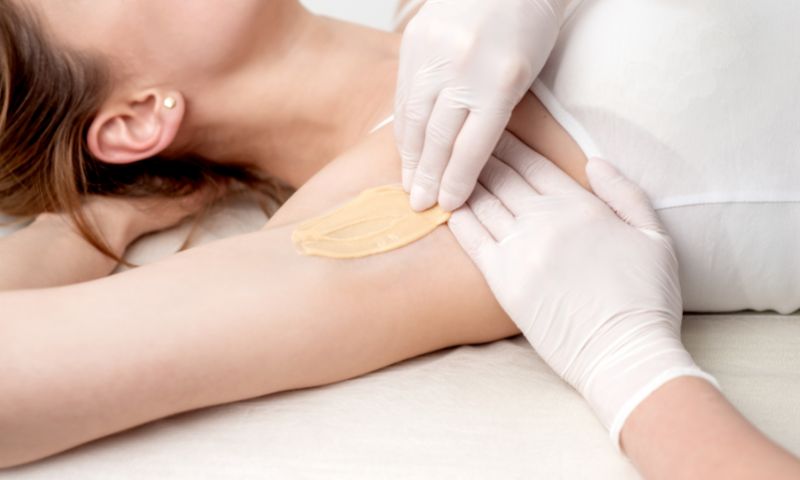
Waxing pain reduction starts long before you walk through the door — and it doesn’t end when you leave. The difference between a waxing experience that feels manageable and one that feels rough often comes down to preparation and aftercare. Get both right, and you’ll notice a significant improvement from your very first appointment.
At Wax & Lash Denver, our licensed estheticians walk clients through waxing pain reduction strategies every day. This guide covers everything: what to do before, during, and after your appointment so your skin stays happy and your experience stays comfortable.
Why Preparation Is Your Best Waxing Pain Reduction Tool
Waxing removes hair directly from the follicle, which means your skin is doing real work during the process. How prepared your skin is — its hydration level, the length and texture of the hair, what products are on it — directly affects how cleanly the wax grips and releases, how much inflammation follows, and how intense the sensation feels in the moment. Every step below is a proven waxing pain reduction strategy backed by what we see in the treatment room daily.”
Clients who show up properly prepped consistently report lower pain levels and faster recovery. It’s not magic — it’s just giving your skin the best possible conditions to handle the process well.
How to Prepare Before Your Appointment to Reduce Waxing Pain
Hair Length — The Most Important Factor for Painless Waxing
If you take nothing else from this guide, take this: hair length is the single biggest variable you can control before a waxing appointment.
Hair needs to be at least ¼ inch long — roughly the size of a grain of rice — for wax to grip it properly. Too short and the wax can’t latch on, leading to missed hairs, repeated passes over the same skin, and significantly more irritation. Too long (over ¾ inch) and the wax has more to contend with, which increases the pull force and the pain.
If you’ve been shaving, stop at least 2–3 weeks before your first wax. If you’re a regular waxing client, your 4–6 week growth cycle should land you right in the ideal range.
Trim if needed — use small scissors to bring hair down to about ½ inch if it’s grown out significantly. Don’t shave.
Exfoliation Before Your Appointment
Gentle exfoliation 24–48 hours before your appointment helps remove the layer of dead skin cells that can trap hair and make it harder for wax to grip cleanly at the root. A simple physical exfoliant (a soft washcloth or gentle scrub) is all you need — nothing aggressive.
Do not exfoliate the day of your appointment. Freshly exfoliated skin is more sensitive, and waxing on top of it can increase redness and irritation.
Avoid Caffeine Before Waxing
Caffeine is a stimulant that can heighten nerve sensitivity — meaning your skin may register the sensation of waxing more intensely than it otherwise would. On the day of your appointment, skip or limit your coffee and other caffeinated drinks, especially before more sensitive services like Brazilian or underarm waxing.
It’s a small change that many clients notice makes a real difference, particularly in high-sensitivity areas.
Take Ibuprofen 30 Minutes Before
Over-the-counter ibuprofen (Advil, Motrin) is an anti-inflammatory pain reliever that can take the edge off waxing discomfort — particularly for sensitive areas like the bikini line and underarms. Take a standard dose (follow package directions) 30–45 minutes before your appointment so it has time to take effect. It’s one of the easiest waxing pain reduction tools available over the counter.
This is especially helpful for first-time clients, clients waxing particularly sensitive areas, or anyone who finds their pain tolerance varies by cycle phase.
Note: if you take blood thinners or have sensitivities to NSAIDs, skip this step or check with your doctor first.
Schedule Around Your Hormone Cycle
Your hormonal cycle has a measurable effect on pain perception — particularly for bikini and Brazilian waxing. Estrogen and progesterone fluctuations in the days leading up to and during your period lower your body’s natural pain threshold, making the same wax feel noticeably more intense.
The sweet spot for scheduling: days 8–20 of your cycle (counting from the first day of your period), when estrogen is rising and pain tolerance is at its highest.
If scheduling flexibility is limited, this is most relevant for Brazilian and bikini services. Leg and arm waxing are much less affected by cycle phase.
Products to Avoid Before Waxing
Retinol and Acids — Why They Increase Pain
Retinol, tretinoin, AHAs (glycolic acid, lactic acid), BHAs (salicylic acid), and other chemical exfoliants work by thinning and accelerating cell turnover in the upper layers of the skin. That’s great for your skincare routine — but it makes waxing more painful and significantly raises the risk of skin lifting (where a layer of skin comes off with the wax rather than just the hair).
Stop using retinol and acids at least 5–7 days before any facial waxing. For body waxing, 3–5 days is the general guideline, though more sensitive skin may need longer. If you’re on prescription tretinoin, talk to your esthetician — you may need to pause longer.
Self-Tanner and Sun Exposure
Fresh self-tanner sits on the surface of the skin and can interfere with wax adhesion, leading to uneven removal and more passes over the same area. Avoid applying self-tanner for at least 48 hours before your appointment.
Sun exposure and tanning beds are a bigger concern. Sunburned or recently tanned skin is already inflamed and sensitized — waxing on top of it can cause significant irritation, peeling, or lifting. Avoid direct sun exposure on areas you’re planning to wax for at least 24–48 hours before, and longer if you’ve had a notable burn.
Waxing Pain Reduction During Your Appointment
Breathing Technique During Wax Removal
This sounds simple, but it works: take a slow breath in, then exhale as the strip is pulled. The exhale helps your nervous system stay relaxed and reduces the sharpness of the sensation. Breath control is an underrated waxing pain reduction technique that costs nothing.
The opposite — holding your breath and tensing up — amplifies pain signals. Most clients who are nervous do this instinctively. If you notice yourself bracing, take a slow breath, consciously relax your muscles, and let the exhale do the work.
How to Communicate With Your Esthetician
A good esthetician wants to know how you’re feeling throughout the service. Don’t suffer in silence — speak up if something feels particularly intense, if you need a moment, or if you’d like your esthetician to adjust their technique.
A few things worth mentioning before you start:
- If you’re on retinol, acids, or any prescription skin treatments
- If you’ve recently had sun exposure on the area
- If this is your first time waxing that particular area
- If you’re close to or on your period (for bikini/Brazilian services)
This information helps your esthetician choose the right wax type, adjust their approach, and check in at the right moments. Communication is one of the most underrated pain-reduction tools available.
After Waxing Care Tips to Reduce Pain and Irritation
Immediate Aftercare — First 24 Hours
The 24 hours after waxing are when your skin is most vulnerable. Hair follicles are open, skin is temporarily sensitized, and any friction, heat, or bacteria introduced during this window can cause irritation, breakouts, or infection.
In the first 24 hours after waxing:
- Wear loose, breathable clothing over waxed areas — avoid tight waistbands, leggings, or anything that creates friction over the bikini or underarm area
- Skip the gym — sweat introduces bacteria to open follicles and increases the risk of ingrown hairs and bumps
- Avoid hot showers and baths — warm is fine, hot is not; heat increases inflammation
- Don’t touch the waxed area unnecessarily — hands carry bacteria
- Apply a fragrance-free, gentle moisturizer or pure aloe vera gel to calm the skin
Cooling and Soothing the Skin
For areas that feel particularly reactive after waxing, a few options can provide real relief:
- Just The Strip Truth Serum is what our estheticians reach for in the treatment room — and what we recommend clients use at home. It’s formulated specifically for post-wax skin, calming redness and sensitivity without clogging freshly opened follicles.
- Just The Strip nourishing oils are another pro favorite for after-wax care, helping restore moisture and keep skin soft between appointments.
- Aloe vera gel (pure, not the green cosmetic kind with additives) is a simple, accessible option for soothing at home. Keep a tube in the fridge for an extra cooling effect.
- A cool compress — a clean cloth with cold water applied gently to the area — can reduce redness and inflammation quickly.
- Witch hazel applied with a cotton pad can help tone and soothe skin without clogging pores.
Avoid anything with fragrance, alcohol, or active ingredients (acids, retinol) on freshly waxed skin — these will sting and can cause further irritation.
What to Avoid After Waxing
Beyond the first 24 hours, there are a few more things to keep off your radar for 48–72 hours post-wax:
- Swimming pools and hot tubs — chlorine and bacteria are both problematic for open follicles
- Saunas and steam rooms — heat and sweat combination increases the risk of breakouts and ingrown hairs
- Direct sun exposure — freshly waxed skin is more prone to hyperpigmentation when exposed to UV rays; always apply SPF before going outside after facial or body waxing
- Tight clothing over sensitive areas like the bikini line — friction is the enemy of smooth post-wax skin
- Deodorant and antiperspirant — avoid for at least 24 hours after underarm waxing, as these products can clog freshly opened follicles
How to Prevent Ingrown Hairs After Waxing
Ingrown hairs happen when a hair grows back and curls under the skin rather than emerging cleanly through the follicle. They’re more common in coarse-hair areas (bikini line, underarms) and are largely preventable with consistent post-wax care.
The main causes: dead skin buildup over the follicle opening, tight clothing causing friction, and dry skin that makes it harder for the hair to push through. The good news — the right products make prevention straightforward.
When to Start Exfoliating After Waxing
Wait 48–72 hours after your appointment before exfoliating — your skin needs that initial window to calm down and close up. Starting too early can cause irritation on sensitized skin.
After that window, this is where Just The Strip products earn their place in your routine. Their exfoliating and after-wax formulas are designed specifically to keep follicles clear between appointments without over-stripping the skin — the kind of targeted care that makes a noticeable difference in ingrown-prone areas like the bikini line and underarms. Use them 2–3 times per week between waxing appointments for the best results.
Pair exfoliation with consistent moisturizing — Just The Strip’s nourishing oils are ideal here, keeping skin supple enough that new hair growth pushes through easily rather than curling back under. Dry, flaky skin is one of the most common (and most preventable) causes of ingrowns.
Our estheticians recommend building this into your routine from your very first wax. Clients who use proper aftercare products consistently almost always report fewer ingrowns and smoother skin over time — and that makes each subsequent waxing appointment more comfortable too.
FAQs
How can I reduce waxing pain naturally?
Several natural approaches make a real difference: proper hair length (¼ to ½ inch), gentle exfoliation 24–48 hours before your appointment, avoiding caffeine on the day of your wax, and scheduling around your menstrual cycle (days 8–20 tend to be least sensitive). Staying well-hydrated in the days leading up to your appointment also helps skin respond better to waxing. The most effective waxing pain reduction approaches are all about preparation.
What should I avoid before waxing?
Avoid retinol, tretinoin, and chemical exfoliants (AHAs/BHAs) for at least 5–7 days before facial waxing and 3–5 days before body waxing. Skip self-tanner for 48 hours prior, avoid significant sun exposure on the areas to be waxed, and hold off on caffeine on the day of your appointment. Don’t shave after stopping — let your hair grow to the right length for waxing.
How can I reduce pain during waxing?
Breathe in slowly and exhale at the moment the strip is pulled — this simple technique significantly reduces pain perception. Avoid tensing up, which amplifies the sensation. Communicate openly with your esthetician about your sensitivity level, any products you’re using, and where you are in your cycle for bikini services. A skilled esthetician’s technique — particularly how they stretch the skin — also makes a major difference.
What helps after waxing for pain relief?
Pure aloe vera gel, cool compresses, and fragrance-free moisturizer are the most effective post-wax soothers. For more reactive skin, over-the-counter 1% hydrocortisone cream applied sparingly can calm inflammation. Wear loose clothing, skip the gym for 24 hours, and avoid heat (hot showers, saunas) to let your skin recover comfortably.
Does taking painkillers help before waxing?
Yes — ibuprofen taken 30–45 minutes before your appointment can meaningfully reduce discomfort, particularly for sensitive areas like the Brazilian and underarms. Its anti-inflammatory properties help both during and after the service. Stick to standard dosing on the package. If you’re sensitive to NSAIDs or take blood thinners, check with your doctor before using this approach.
Why does waxing hurt more sometimes?
Several factors can make waxing feel more intense on certain days: being close to or on your period (hormonal shifts lower pain tolerance), caffeine consumption, dehydration, sun-sensitized or recently exfoliated skin, and hair that’s too short or too long. Stress and anxiety also heighten pain perception. The more consistently you wax, the less it hurts over time — regular waxing weakens the follicle and causes hair to grow back finer and easier to remove.
Have questions about preparing for your first wax or managing post-wax care? The team at Wax & Lash Denver is here to help. Book your appointment online or contact us — we’ll walk you through everything before you come in.